Table of Contents
Tirumala Theerthams, The Nine Sacred Water Pools on the Hill
Tirumala is sanctified not just by the main Venkateswara temple but by nine traditional sacred water pools (theerthams) scattered across the Seshachalam hills. Each theertham has a Puranic origin, specific spiritual significance, and traditionally is bathed in by devotees as part of an extended pilgrimage. The major theerthams are Aakasa Ganga (most-visited), Papavinasanam, Chakra, Sesha, Gogarbha, Japali, Kumaradhara, Ramakrishna, and Tumbhuru. Many are reached via TTD’s free Dharma Ratham bus service from Tirumala’s main bus stand.
1. Aakasa Ganga Theertham
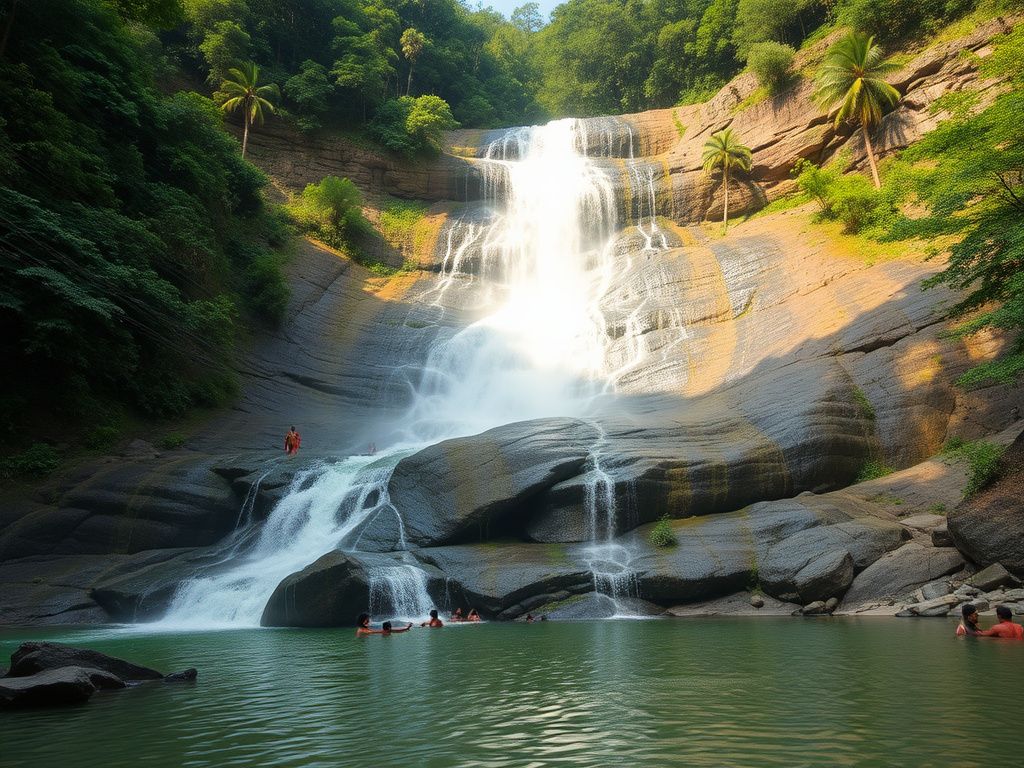
The most accessible and visited theertham at Tirumala. Aakasa Ganga is a perennial waterfall about 3 km north of the main temple, fed by springs in the Seshachalam hills. Devotees bathe here as a purifying ritual before darshan. The water is considered to descend from the celestial Akasha Ganga (sky Ganges), hence the name. TTD’s Dharma Ratham buses make stops at the Aakasa Ganga access point throughout the day.
2. Papavinasanam Theertham
Located on the Papavinasanam Road, this theertham is associated with TTD’s Papavinasanam Dam. The name means “destroyer of sins” (Papa = sins; Vinasanam = destruction). Devotees believe a bath at Papavinasanam absolves past wrongs. The dam area also serves as a recreational stop with picnic facilities; the theertham water at the dam outflow is the ritual bathing point.
3. Chakra Theertham
Named for the Sudarshan Chakra (divine discus) of Lord Vishnu, said to have manifested at this site. The Chakra theertham is in the western part of the hill, less crowded than Aakasa Ganga, with sacred lotus blooms in season. Pilgrims visit specifically on Chakra-themed days during Brahmotsavam (Day 9 Chakrasnanam ties to this site).
4. Sesha Theertham
Sacred to Adisesha, the cosmic serpent on which Vishnu rests. The theertham is in a secluded part of the hill and is associated with serpent-related rituals. Devotees with Naga dosha (serpent-related astrological issues) traditionally bathe here. Reach via the Dharma Ratham route toward the northern hill.
5. Gogarbha Theertham
Located near a small cave (garbha = womb) on the eastern slope. The theertham water emerges from the cave and is considered especially auspicious for child-related prayers, couples seeking children traditionally make pilgrimages to Gogarbha. The setting is dense forest; access is via a moderate trek from the main temple area.
6. Japali Theertham
The theertham of meditation (japa = recitation; ali = associated with). A quieter spot, traditionally used by sages and meditators. Visitors who want a peaceful spot away from the main temple crowds often visit Japali. The water is cool year-round due to forest shade.
7. Kumaradhara Theertham
Associated with Skanda (Kumara, son of Shiva). The theertham is on the south-western slope. The waterfall here flows over multiple steps and is one of Tirumala’s most scenic spots. Pilgrims combine bathing here with darshan at Sri Bedi Anjaneya Swamy temple, which is nearby.
8. Ramakrishna Theertham
Named for the great saint Sri Ramakrishna Paramahamsa, who is said to have visited Tirumala. A smaller theertham, less visited but spiritually significant for devotees of the Ramakrishna tradition. Located in the northern hill section.
9. Tumbhuru Theertham
The most spectacular waterfall among Tirumala theerthams, a multi-tiered cascade in a forest setting. Tumbhuru is the most physically demanding to reach (requires a moderate trek of about 1.5 km from the nearest road). The reward is one of the most scenic spots on the entire Seshachalam range. Best visited in the post-monsoon months (October to February) when water flow is full.
How to visit the theerthams
Most pilgrims do not visit all nine in a single trip. Practical approaches:
- Quick visit (half-day): Aakasa Ganga only, most accessible, classic pilgrim bath
- Standard tour (full day): Aakasa Ganga + Papavinasanam + Chakra, covered by Dharma Ratham route
- Pilgrim circuit (1.5 days): Add Sesha, Gogarbha, Japali if your visit has the time
- Complete theertham yatra (2-3 days): All nine including the demanding Tumbhuru trek
How to reach
TTD’s free Dharma Ratham bus service from Tirumala’s main bus stand covers the main theertham access points:
- Aakasa Ganga stop, direct bus from main temple
- Papavinasanam stop, via Papavinasanam Road bus
- Chakra theertham access, walking distance from one Dharma Ratham stop
- Others, partly by bus, partly by walking trail
For the more remote theerthams (Tumbhuru, Gogarbha), private vehicles or guided treks via TTD’s pilgrim services office are recommended. Footwear suitable for forest paths.
Bathing customs at theerthams
- Traditional dress while bathing, men in dhoti, women in saree or chudidar (no swimwear)
- Brief immersion ritual rather than swimming
- Chanting of the lord’s name during the bath
- Small offering (flowers, prasadam) into the water in some theerthams
- Leave the area clean, TTD has installed waste bins and signage
Best time of year
- Post-monsoon (Oct–Feb): Full water flow, all theerthams active. Best for Tumbhuru.
- Pre-monsoon (Mar–May): Lower water but accessible; less crowded.
- Monsoon (Jun–Sep): Some theerthams temporarily closed due to flash-flood risk; check at TTD information desk before visiting remote ones.
Combining with darshan
Traditional pilgrim practice: theertham bath in the morning → main temple darshan in the afternoon/evening. The theertham water is considered a purifier preparing the body and spirit for the deity’s darshan. Many devotees specifically schedule Aakasa Ganga bathing for their day before Sarva Darshan or SSD slot.
Common questions
Are the theerthams safe to bathe in? Yes, TTD maintains the theertham areas. Water is fresh, surrounding facilities are managed. Standard precautions apply (don’t swim into deep pools, watch out for slippery rocks).
Is photography allowed? Yes at most theerthams. Specific sanctified spots within the theertham complexes may have restrictions; observe local signage.
Can children bathe in the theerthams? Yes. Most theerthams have shallow areas suitable for children. Always with adult supervision.
Do I need any ticket or fee? No. All Tirumala theerthams are free to visit and bathe in. No TTD ticket required.
What if I cannot visit any theertham? Theertham bath is traditional but not mandatory for darshan. Many pilgrims do darshan without theertham visit. The spiritual significance is added merit, not a prerequisite.
For the latest Dharma Ratham bus routes to theerthams and any temporary closures, ask at the TTD information desk in Tirumala or check news.tirumala.org.
Related Articles
- Rahu Kalam Today
- Rahu Kalam, Yamagandam, Kuligai
- Tirumala History & Venkateswara Story
- 10 Tirumala Places to Visit