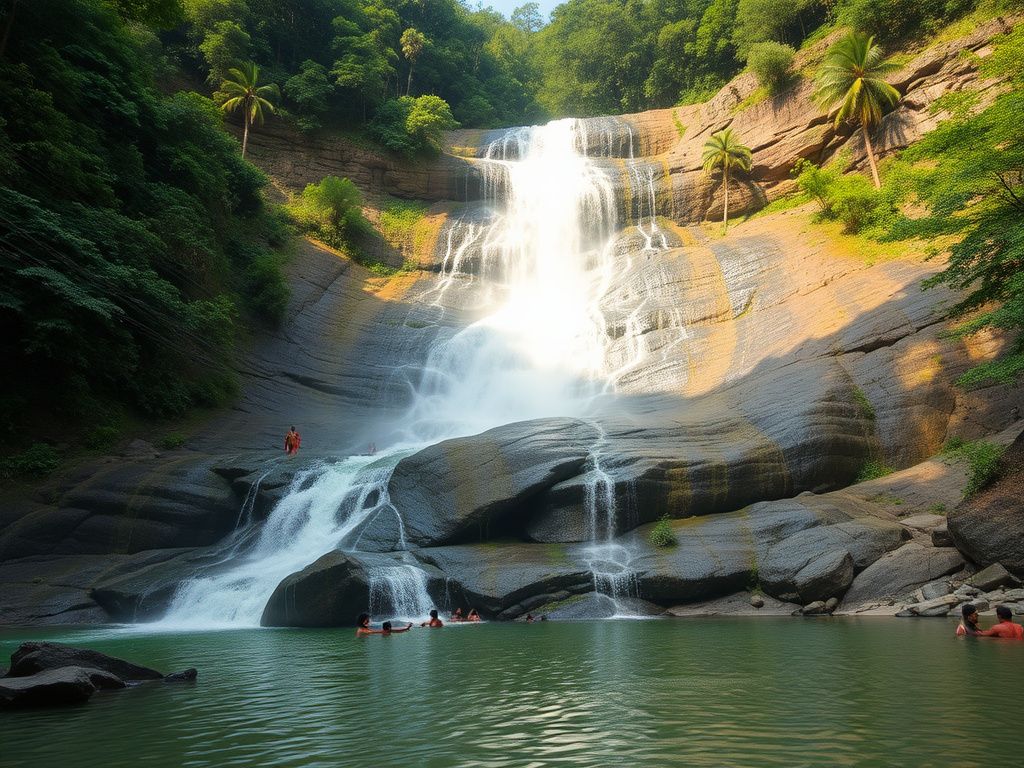
Experience the divine waters at Kumaradhara Theertham in Tirumala—a sacred journey through Seshachalam forests to one of nature’s most spiritually powerful holy sites.
Standing at the edge of Papavinasanam Dam, with the morning mist still clinging to the Seshachalam Hills, I remember my first pilgrimage to Kumaradhara Theertham like it was yesterday. The anticipation, the devotion, and yes, the slight nervousness about the 5-kilometer forest trek ahead—it’s a feeling that thousands of pilgrims share every year when they embark on this sacred journey.

Kumaradhara Theertham in Tirumala isn’t just another holy water body. It’s a hidden spiritual gem nestled deep within the dense forests, accessible only once a year and reserved for those willing to undertake a challenging but deeply rewarding pilgrimage. If you’re planning your visit to this divine theertham, you’re about to discover why this ancient sacred site continues to draw devotees from across India.
Table of Contents
The Divine Story Behind Kumaradhara Theertham
Every sacred site in India has a story, and the tale of Kumaradhara Theertham is particularly touching. According to ancient legends, this holy water body takes its name from Lord Kumaraswamy—also known as Subramanya or Karthikeya, the son of Lord Shiva and Goddess Parvati.
The most popular legend speaks of a time when Kumaraswamy performed intense penance at this very spot after vanquishing the demon Tarakasura. To escape from Brahmahatya Dosham (the sin of killing a Brahmin demon), the young lord meditated here while chanting “Om Namo Venkatesaya.” The place where he performed this sacred tapas came to be known as Kumaradhara Theertham.
But there’s another story that touches my heart even more. An old Brahmin, blind and lost in the forest, wandered aimlessly calling out “Kumara… Kumara…” (meaning “young one” or “son”). Lord Venkateswara himself appeared and, moved by the old man’s suffering, guided him to these sacred waters. After taking a holy dip, the elderly Brahmin was miraculously transformed into a sixteen-year-old youth, with his sight fully restored. The Devas (celestial beings) praised this miraculous transformation and named the stream Kumaradhara—the one that gives youth.
When I learned these stories during my first trek, they gave new meaning to every difficult step through the forest. This wasn’t just a hike—it was walking in the footsteps of divinity.
Location and How to Reach This Hidden Sacred Site
Finding Kumaradhara Theertham requires both devotion and determination. Located approximately six miles northwest of the main Tirumala Venkateswara Temple, this sacred water body lies hidden in the heart of the Seshachalam forest range.
The journey begins at Papavinasanam Dam, which serves as the starting point for your trek. From Tirumala temple town, Papavinasanam is about 6 kilometers away. The Tirumala Tirupati Devasthanams (TTD) operates regular APSRTC buses from Tirumala to Papavinasanam—private vehicles aren’t allowed beyond certain points to preserve the forest environment and manage crowds.
From Papavinasanam Dam, the real adventure begins. You’ll trek approximately 5-7 kilometers through dense forest terrain. The path isn’t paved, and you’ll encounter rocky surfaces, steep descents, occasional stream crossings, and natural forest trails. During my trek, I found that the journey took about 2-3 hours one way, depending on fitness level and weather conditions.
The forest trek offers its own rewards. You’re surrounded by towering trees, the sounds of birds and wildlife, and an overwhelming sense of nature’s raw beauty. Many pilgrims describe feeling a spiritual connection even before reaching the theertham itself. For those interested in exploring more about Tirumala’s sacred geography, the entire Seshachalam range is considered blessed land.
The Once-a-Year Mukkoti Festival
Here’s what makes Kumaradhara Theertham truly special—it’s accessible to pilgrims only ONE day each year. The TTD, in coordination with the Forest Department, opens the path to Kumaradhara Theertham on Pournami (full moon day) during Maagha Masa, which typically falls in February or early March.
In 2025, the Kumaradhara Theertham Mukkoti was scheduled for March 14. This annual event draws thousands of devotees who wake before dawn to begin their pilgrimage. The single-day opening is both a conservation measure and a way to preserve the sanctity of this remote sacred site.
Planning your visit requires checking the TTD’s official calendar well in advance. I remember marking my calendar months ahead for my first visit, making travel arrangements, and mentally preparing for the physical challenge. The anticipation itself becomes part of the spiritual journey.
On Mukkoti day, the atmosphere is electric with devotion. Pilgrims start gathering at Papavinasanam as early as 4 AM. TTD provides prasadam (blessed food) from the main temple to distribute among devotees at the theertham. The officials also arrange for drinking water stations along the route and basic medical facilities—a blessing when you’re trekking in challenging conditions.
The Spiritual Significance: Why This Holy Dip Matters
Taking a bath in Kumaradhara Theertham isn’t just a ritual—it’s considered one of the most powerful acts of spiritual purification in Hindu tradition. Ancient texts and local beliefs attribute extraordinary benefits to these sacred waters.
According to the Puranas, a holy dip in Kumaradhara Theertham bestows the same merit as performing a Rajasuya Yajna, one of the most elaborate and powerful Vedic rituals. This is no small claim. The Rajasuya Yajna was traditionally performed by great emperors and required immense resources, time, and sacred knowledge.
The theertham is also believed to wash away accumulated sins and negative karma, offering devotees a fresh spiritual start. Many pilgrims visit specifically seeking moksha (liberation from the cycle of birth and death). The spiritual traditions of Tirumala emphasize that sincere devotion combined with the sacred waters can accelerate one’s spiritual evolution.
During my own visit, I witnessed something remarkable. An elderly woman who had been struggling with chronic pain for years took her holy dip with tears streaming down her face. Later, she shared that she felt an immediate sense of relief and spiritual peace that had eluded her for so long. Whether you attribute this to divine grace, the power of faith, or the rejuvenating properties of the natural spring water, the transformation was undeniable.
The best time to visit, according to locals and experienced pilgrims, is during or just after the rainy season. The forest comes alive with lush greenery, and the waterfall feeding the theertham flows with renewed vigor. The sight of crystal-clear water gushing over rocks, surrounded by mist-covered mountains, creates an almost otherworldly atmosphere.
Preparing for Your Trek: Essential Tips from Experience
Let me share some hard-won wisdom from my own trekking experiences. Preparing properly can mean the difference between a challenging-but-manageable pilgrimage and a truly difficult ordeal.
Physical Fitness Requirements
Be honest with yourself about your fitness level. The TTD explicitly advises against this trek for certain groups: people with asthma or heart conditions, those who are significantly overweight, young children, and elderly individuals with mobility issues. This isn’t TTD being overly cautious—the terrain genuinely demands good physical condition.
I spent two months before my first trek doing regular walking and stair climbing to build stamina. Even then, there were moments on steep descents when I was grateful for that preparation.
What to Pack
Essential items include:
- Sturdy trekking shoes with good grip (not sandals or flip-flops)
- Light but covering clothing (remember, it’s a sacred site)
- Sufficient water (at least 2 liters per person)
- Energy snacks like nuts or protein bars
- Basic first-aid supplies
- Extra clothes for after your holy bath
- Small towel
- Plastic bags for keeping things dry
What NOT to bring:
- Unnecessary valuables or electronics
- Alcohol or tobacco products
- Plastic bags (use cloth bags instead—environmental consciousness is expected)
- Large or heavy bags
Safety Considerations
Mobile connectivity is extremely limited or non-existent in the forest. Inform someone about your plans and expected return time. The TTD posts security personnel and forest guards along the route, which provides some reassurance. Still, stay with groups when possible and never wander off the marked trail.
During my trek, we encountered a small stream crossing where the water was deeper than expected after recent rains. Having fellow pilgrims to help navigate such obstacles makes the journey much safer and more enjoyable.
The Experience: What to Expect at Kumaradhara Theertham
When you finally arrive at Kumaradhara Theertham after your forest trek, the first thing that strikes you is the silence. Not complete silence—you can hear the water flowing and birds calling—but a profound, peaceful quiet that’s rare in our modern world.
The theertham itself is relatively small, nestled in a natural depression surrounded by towering rock formations. It feels like you’re in nature’s own temple, with mountains as walls and the sky as a ceiling. The water flows from a small waterfall, creating a natural pool where devotees take their holy bath.
There’s no elaborate temple structure here, which somehow makes it feel even more sacred. An ancient idol sits naturally positioned under the trees—no one knows who placed it there or when, adding to the mystery and divine atmosphere. Local belief holds that the deity appeared on its own (Swayambhu), just like the main idol at Tirumala temple.
During the Mukkoti festival, priests from the main temple perform special rituals. Devotees line up respectfully to take their turn bathing in the sacred waters. Despite the crowds, there’s a remarkable sense of order and reverence. Everyone understands they’re participating in something special—a once-yearly opportunity that shouldn’t be taken lightly.
The water is cold—startlingly so, especially in the early morning. But there’s something invigorating and purifying about it. After my bath, I sat on the rocks for a while, letting the experience sink in. The combination of physical exertion, natural beauty, and spiritual significance creates a unique state of mind that’s hard to describe but impossible to forget.
TTD Facilities and Support for Pilgrims
The Tirumala Tirupati Devasthanams has earned its reputation for excellent pilgrim management, and the Kumaradhara Theertham Mukkoti is no exception. Despite the remote location, they provide essential support.
Food Arrangements: Starting at 5 AM on Mukkoti day, the Annaprasadam department sets up at Papavinasanam Dam, offering free food to all pilgrims. You’ll find traditional South Indian items like upma, pongal, pulihora (tamarind rice), sambar rice, and curd rice, along with coffee and milk. This is a huge help, as you need energy for the trek.
Security and Safety: Forest officials and security personnel are stationed along the entire route from Papavinasanam to the theertham. They help manage crowds, provide directions, and offer assistance in case of emergencies. Medical aid stations are also set up along the way.
Water Supply: Drinking water is made available at multiple points during the trek, though it’s still wise to carry your own supply.
Transportation: Free or nominal-cost buses run frequently between Tirumala temple and Papavinasanam on Mukkoti day, starting in the early morning hours.
Connecting Kumaradhara to the Larger Tirumala Experience
Kumaradhara Theertham is just one of many sacred water bodies in Tirumala. According to ancient texts, there are 108 theerthams scattered throughout the Seshachalam hills, though many are inaccessible or lost to time.
Each theertham has its own significance and story. Swami Pushkarini near the main temple is where devotees traditionally bathe before darshan. Papavinasanam (literally “destroyer of sins”) serves as a starting point for several forest theerthams. Akasa Ganga provides water for the daily abhishekam (ritual bathing) of Lord Venkateswara.
The ancient classification divides these sacred waters into four categories: Dharmaratiprada (promoting righteous living), Gnanaprada (bestowing wisdom), Bhaktivairagyaprada (fostering devotion and detachment), and Muktiprada (offering liberation). Kumaradhara falls into the Muktiprada category—the highest classification, associated with moksha itself.
Understanding this context helps you appreciate that your visit to Kumaradhara isn’t an isolated experience but part of a vast spiritual landscape that has sustained Hindu devotion for millennia.
Frequently Asked Questions
When is Kumaradhara Theertham open for pilgrims?
Kumaradhara Theertham opens only once a year on the Pournami (full moon day) of Maagha Masa, typically falling in February or early March. For 2025, the date was March 14. TTD announces the exact date each year in their calendar, usually in January. Pilgrims must plan their visit specifically for this single day as the path remains closed throughout the rest of the year for conservation and safety reasons.
How difficult is the trek to Kumaradhara Theertham?
The trek is moderately to highly challenging, covering 5-7 kilometers from Papavinasanam Dam through dense forest with uneven terrain, rocky paths, and steep sections. It typically takes 2-3 hours one way depending on your fitness level. The path is not paved, and you’ll encounter natural obstacles like stream crossings. People with heart conditions, asthma, severe obesity, young children, and elderly individuals are advised not to attempt this trek.
What should I bring for the Kumaradhara Theertham pilgrimage?
Essential items include sturdy trekking shoes with good grip, comfortable modest clothing, at least 2 liters of water, energy snacks, a change of clothes for after bathing, a small towel, basic first-aid supplies, and plastic bags to keep things dry. Avoid bringing valuables, heavy luggage, or single-use plastics. Remember that mobile connectivity is limited, so plan accordingly and inform someone of your itinerary.
What is the spiritual significance of bathing in Kumaradhara Theertham?
According to Hindu scriptures, taking a holy dip in Kumaradhara Theertham is believed to bestow the same spiritual merit as performing a Rajasuya Yajna, wash away accumulated sins, and help devotees attain moksha (liberation). The waters are associated with Lord Kumaraswamy who performed penance here, and legend tells of miraculous transformations happening to those who bathe with sincere devotion.
Are there any facilities available during the trek?
Yes, TTD provides considerable support on Mukkoti day. Free prasadam (food) is distributed from 5 AM at Papavinasanam Dam, including traditional items like upma, pongal, and rice preparations. Drinking water stations are set up along the route. Security personnel and forest officials are stationed throughout the path, and basic medical facilities are available. However, you should still come prepared with your own supplies as facilities are basic given the remote location.
Can I visit Kumaradhara Theertham on other days?
No, the path to Kumaradhara Theertham is strictly closed to public access throughout the year except for the single Mukkoti day. This policy protects the forest ecosystem, preserves the sanctity of the sacred site, and ensures pilgrim safety. The Forest Department and TTD enforce this restriction, and attempting to visit on unauthorized days is not permitted and could be dangerous.
How do I reach Papavinasanam Dam from Tirumala?
From Tirumala temple town, Papavinasanam Dam is approximately 6 kilometers away. On Mukkoti day, TTD operates frequent APSRTC buses from Tirumala to Papavinasanam starting in the early morning hours. Private vehicles are not permitted beyond certain points to reduce traffic congestion and environmental impact. The bus service is either free or charges a minimal fare, making it the most practical option for pilgrims.
What time should I start the trek?
Most experienced pilgrims recommend starting as early as possible, ideally between 4-6 AM. Starting early helps you avoid the midday heat, allows time to complete the trek before evening, and lets you experience the forest in its most peaceful state. You must return before dark as trekking through the forest at night is prohibited and unsafe. Plan for at least 6-8 hours total including trekking time both ways and time spent at the theertham.
Your Journey Awaits
Kumaradhara Theertham represents everything that makes Indian pilgrimage unique—the blend of natural beauty, physical challenge, ancient legend, and profound spirituality. It’s not the easiest pilgrimage you’ll ever undertake, but it might be one of the most memorable.
As I made my way back down the forest trail after my first visit, tired but spiritually recharged, I understood why devotees have been making this journey for centuries. In our modern world of comfort and convenience, there’s something transformative about seeking the divine in such a raw, natural setting.
Whether you’re drawn by devotion to Lord Venkateswara, fascination with ancient sacred sites, or simply the adventure of trekking through pristine forest to a hidden waterfall, Kumaradhara Theertham offers an experience unlike any other. Just remember to plan carefully, prepare physically, and approach with respect for both the natural environment and the spiritual traditions that make this place sacred.
The forest path is waiting. Lord Kumaraswamy’s divine waters flow eternal, ready to bless those with the courage and devotion to seek them out.
About the Author
Smt. Rajeshwari Balaji is a dedicated traveler and Tirumala devotee with over 20 years of experience in organizing pilgrimages for families. Known for her practical advice and heartfelt narratives, she specializes in guiding first-time visitors through their spiritual journey. Her articles focus on everything from booking darshan tickets to finding comfortable accommodations and experiencing the sanctity of Tirumala. With personal anecdotes and detailed guides, she ensures readers have a smooth and fulfilling pilgrimage experience.
Email: [email protected]