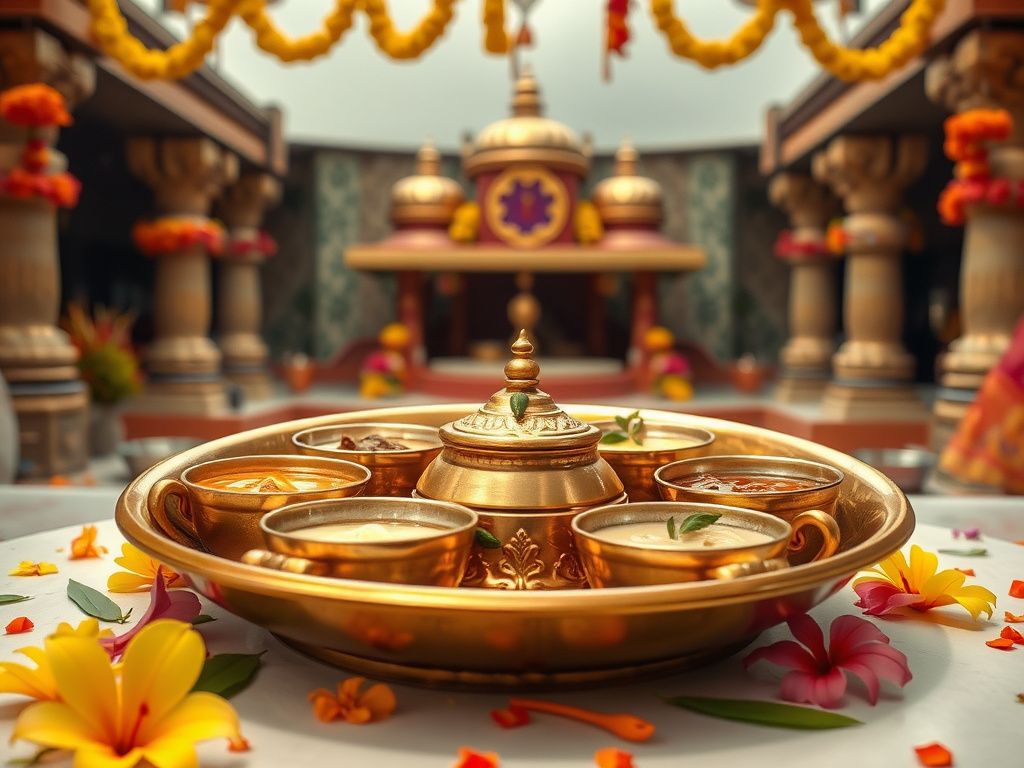
Ugadi carries a weight that goes beyond a calendar date. For Telugu and Kannada communities, the first day of Chaitra, falling somewhere in March or April each year, marks the beginning of a new lunar year, and the instinct of many families is to spend it at one of the holiest sites in South India. At Tirumala, the day combines the temple’s regular rhythm of sevas with a set of Ugadi-specific rituals that make the occasion distinct. In 2026, Ugadi falls on March 19 (Chaitra Shukla Padyami).
The detail I’d flag is this: Tirumala on Ugadi is not simply a bigger-than-usual darshan day. The ritual structure genuinely changes. The Panchanga Sravanam, the Asthanam, the six-flavour prasadam, these are things you will not find on an ordinary Thursday on the hill. That makes planning the visit worth the extra thought it requires.
Table of Contents
What Ugadi means and why Tirumala observes it
Ugadi is the Telugu and Kannada New Year, observed on the first day of the Chaitra month by the Hindu lunar calendar. The word itself comes from “yuga” (era) and “adi” (beginning). Across Andhra Pradesh and Telangana, families wake early, apply fresh mango-leaf torans to doorframes, wear new clothes, and gather for the traditional Ugadi pachadi before the rest of the day’s meals.
Tirumala observes Ugadi because Lord Venkateswara is the presiding deity of Telugu Vaishnava tradition. The hill’s temple marks the new year with an Asthanam, an elaborate court ritual, alongside the Panchanga Sravanam and prasadam distribution. The standard temple ritual continues alongside these Ugadi-specific observances, so the day holds both the usual sevas and additional ceremony.
The broader tradition of Ugadi includes:
- Visiting temples for the new year’s first darshan
- Reading or hearing the Panchanga Sravanam (the new year’s astrological forecast)
- Consuming Ugadi pachadi, a unique six-flavour preparation
- Wearing new clothes and beginning new ventures
- Family gatherings for traditional meals
The rituals at Tirumala on Ugadi day
What actually happens at the temple on this day sets it apart from a regular festival crowd. TTD conducts a programme that spans several distinct events:
- Special Asthanam, an extended court ritual with elaborate dress and ornaments for the deity
- Panchanga Sravanam, the year’s astrological details read out by temple pundits before an audience of devotees and dignitaries
- Ugadi pachadi distribution, the six-flavour prasadam given to pilgrims throughout the day
- Special floral decoration, the deity and temple premises are decorated with mango leaves and fresh flowers
- Extended evening seva, more elaborate Sahasra Deepa and other evening rituals than on an ordinary day
The Asthanam and pachadi distribution are open to all darshan pilgrims, free of charge. No separate ticket or registration is needed beyond your regular darshan booking.
The Panchanga Sravanam
The formal reading of the new year’s Panchanga by temple pundits is the spiritual centrepiece of Ugadi at Tirumala. The Panchanga is the Hindu almanac, it covers tithi, nakshatra, yoga, and karana details for every day of the coming year, along with forecasts based on the year’s Sanskrit name (each year carries a name in a 60-year cycle). The Sravanam covers:
- Tithi, nakshatra, yoga, karana details for the year
- Forecasts based on the year’s name (each year has a Sanskrit name in a 60-year cycle)
- Auspicious dates for major life events
- Eclipse predictions and other astronomical events
Traditionally, hearing the Panchanga read by a scholar on Ugadi morning is considered auspicious, listening is said to bring clarity and guidance for the year ahead. At Tirumala, the event draws both pilgrims and priests in a formal setting that honours the continuity of this practice across generations.
Ugadi pachadi: the six-flavour prasadam
Ugadi pachadi is perhaps the most recognised symbol of the festival. It is a single preparation combining six distinct tastes, each mapped to a type of human experience:
- Sweet (jaggery), happiness, success
- Sour (lemon), disappointment
- Bitter (neem flowers), challenges, sadness
- Pungent (chilli), anger, conflict
- Salty (salt), fear, anxiety
- Astringent (raw mango), surprise, the unexpected
Consuming all six together is a deliberate act of acceptance, a reminder that the coming year will hold all of these experiences, and that none should be refused. The Tirumala Ugadi pachadi is prepared in the temple kitchen and distributed to devotees throughout Ugadi day. Children may eat it in small portions; the neem and chilli flavours are intense, so a tiny taste is the usual approach for first-timers.
Crowd reality and how to plan
Ugadi is a major draw, particularly for Telugu families. Expect 70,000–100,000 pilgrims through the day, longer darshan queues than weekdays, and accommodation sold out one to two months ahead. The festive atmosphere on the hill, special decorations, music, family gatherings, adds to the occasion but also to the density of the crowd.
Practical steps for the visit:
- Combine with a regular darshan booking: Sarva Darshan, SSD token, or Rs. 300 Special Entry
- Pre-book accommodation for the Ugadi date if visiting from outside Tirupati
- Check crowd levels and special event timings on news.tirumala.org in the days before travel
- For train bookings to Tirupati, use irctc.co.in well in advance; Ugadi weekend trains fill quickly
- Seva bookings (if you want a specific seva on Ugadi day) are managed through ttdsevaonline.com
- Andhra Pradesh State Road Transport Corporation buses from multiple cities are bookable via apsrtconline.in
One limitation to be straight about: TTD sometimes adjusts Ugadi rituals and timings from year to year. The schedule above reflects the standard pattern, but specific times for Panchanga Sravanam and Asthanam can shift. Always confirm the exact programme on news.tirumala.org before travelling.
Common questions
When is Ugadi each year? Ugadi falls on the first day of Chaitra (March–April) in the Hindu lunar calendar. In 2026, it falls on March 19. The specific Gregorian date varies year to year.
Is Tirumala a major Ugadi destination? Yes, particularly for Telugu Vaishnava families. Many consider the first Ugadi darshan at Tirumala to be especially auspicious for the year ahead.
Is there an additional fee to receive Ugadi prasadam? No. The Asthanam viewing and Ugadi pachadi distribution are part of the general darshan experience and require no separate ticket or payment.
Can children eat Ugadi pachadi? Yes, in small portions. The neem flower and chilli components are intense, start with a tiny taste and increase based on tolerance.
How early should accommodation be booked for Ugadi? Aim for one to two months ahead. TTD guest houses and local hotels near Tirupati fill quickly once the date is announced; late bookings usually require staying further from the hill.
What is the 60-year cycle mentioned in the Panchanga? The Hindu calendar assigns a unique Sanskrit name to each year in a repeating 60-year sequence. The Panchanga Sravanam references this year-name to frame the forecast for the coming 12 months.
Where do I find the confirmed date and programme for the current year? Use news.tirumala.org for all official TTD announcements on Ugadi scheduling, special darshan arrangements, and prasadam timings.
Related reading
- Salakatla Brahmotsavam Master
- Dwajarohanam, Flag Hoisting
- Chinna Sesha Vahanam
- Kalpavruksha Vahanam
- Sarva Bhoopala Vahanam